
Paediatric dentist
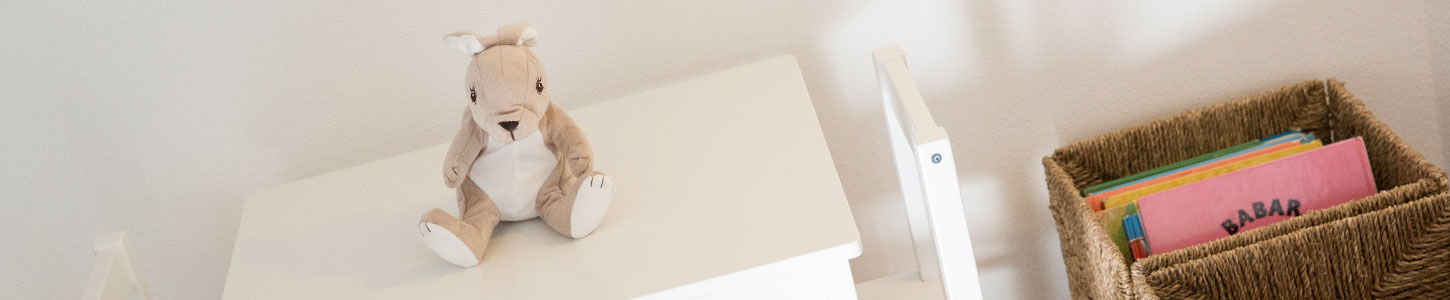
We are happy to attend your child with care, empathy and patience. Thus, we take more time for the treatment of children and adolescents.
The first visit to the children’s dentist
We recommend your child’s first dental visit at the latest after the 2nd milk teeth dentition (age 2 to 3).
“Brushing” of the teeth, however, should start from the first milk tooth in any case.
The first visit often serves to familiarise the child with the new environment in a playful way. So it could be e.g. dentally check its favourite cuddly toy.
Please note
- Avoid negative words such as pain, syringe etc. before the visit.
- Your child should come to the appointment fully rested.
- Please don’t promise any rewards! Above all, things that your child wishes for put too much pressure on it during the treatment and make it difficult for us to work together.
- After the treatment or examination, your child will always receive a simple gift from our practice in order to create a connection to a positive experience when visiting the paediatric dentist.
Treatment process at the paediatric dentist
First, we always explain to the little patient what we do, then we show him and only after this we treat him.
The treatment may be interrupted by the child with a hand signal any time. This procedure helps your child to build trust.
By telling a story or playing child-friendly music, we can distract our little patients from what is happening in their mouths.
With our “magic cream” and the “magic wand” we gently achieve freedom from pain.
Dental accidents in children
Follow the instructions in the “Dental Accidents” leaflet and contact us as soon as possible. Always report the accident to your child’s accident insurance
Expenses
After a detailed examination, we draw up a treatment plan and determine the costs for you individually.
Download leaflet
Tooth corrections for children
During regular check-ups we check the necessity of tooth correction. If this is indicated, we will refer your child to a competent, sensitive orthodontist in Lucerne or the area at your request.
Useful Information for You
Questions About Pediatric Dentistry
Once your child has all 20 baby teeth, it’s a good idea to schedule a first, playful checkup. This usually happens around age 2–3.
Avoid using negative words like “pain,” “shot,” or similar terms in the days leading up to the visit.
Your child should arrive at the appointment well-rested.
Please do not promise any rewards! Especially items your child really wants can put too much pressure on them during treatment and make it harder for us to work together.
After the treatment or checkup, your child will always receive a small gift from our office to ensure that they associate the visit to the pediatric dentist with a positive experience.
Your child should be weaned off the pacifier by age 3 at the latest (due to changes in swallowing patterns). A character like “St. Nicholas” or the “Easter Bunny” can help with this—they might take the pacifier away in exchange for a small, meaningful gift.
Colorful journals with stickers as rewards for the days your child manages without the pacifier are also helpful for breaking the habit.
The pacifier has a massive impact on jaw growth and tooth alignment. This often results in an open bite. This means that when the jaws are closed, the front teeth do not overlap when viewed from the front. As a result, the child’s tongue can slip between the teeth with every swallow, continuing to exert pressure on the teeth. If this situation persists for a long time, the child’s swallowing pattern cannot be corrected—that is, the tongue continues to move between the teeth, and the open bite remains. This can lead to speech (lisping) and biting problems.
Note: Some children use their thumb as a substitute for a pacifier, which should be discouraged immediately.